
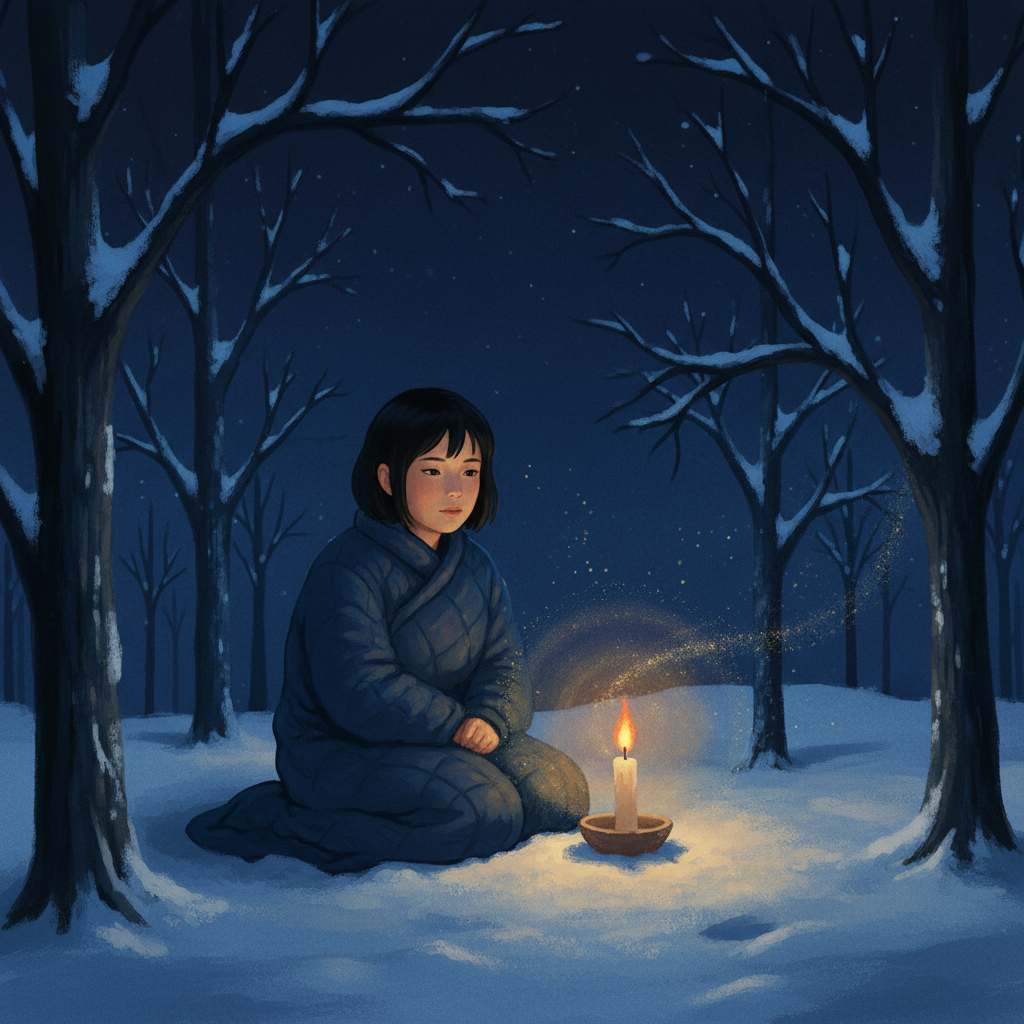
The Winter Solstice as a Reset Ritual
The longest night of the year is not a darkness to endure. It is an invitation to go inward far enough to find what you are carrying into the new year — and what you are ready to leave behind.
Every culture that has survived a winter has developed a ritual for the solstice. Not because the ritual changes the length of the night, but because the ritual changes the relationship to it. This is what I do with the longest night — and why.
What the Solstice Actually Is
The winter solstice is the moment when the sun reaches its southernmost point in the sky — the moment of maximum darkness in the northern hemisphere. After this point, the days begin to lengthen again. The light returns, incrementally, day by day.
Every major spiritual tradition has marked this moment. Yule, Dongzhi, Shab-e Yalda, the Roman Saturnalia — all of them understood that the turning of the year at its darkest point was not something to be endured, but something to be honoured. Something that carried meaning, if you were willing to receive it.
The meaning is this: darkness is not the absence of light. It is the condition in which certain kinds of seeing become possible. The things that are invisible in the brightness of summer — the patterns, the depths, the things that have been growing quietly beneath the surface — become visible in the dark.
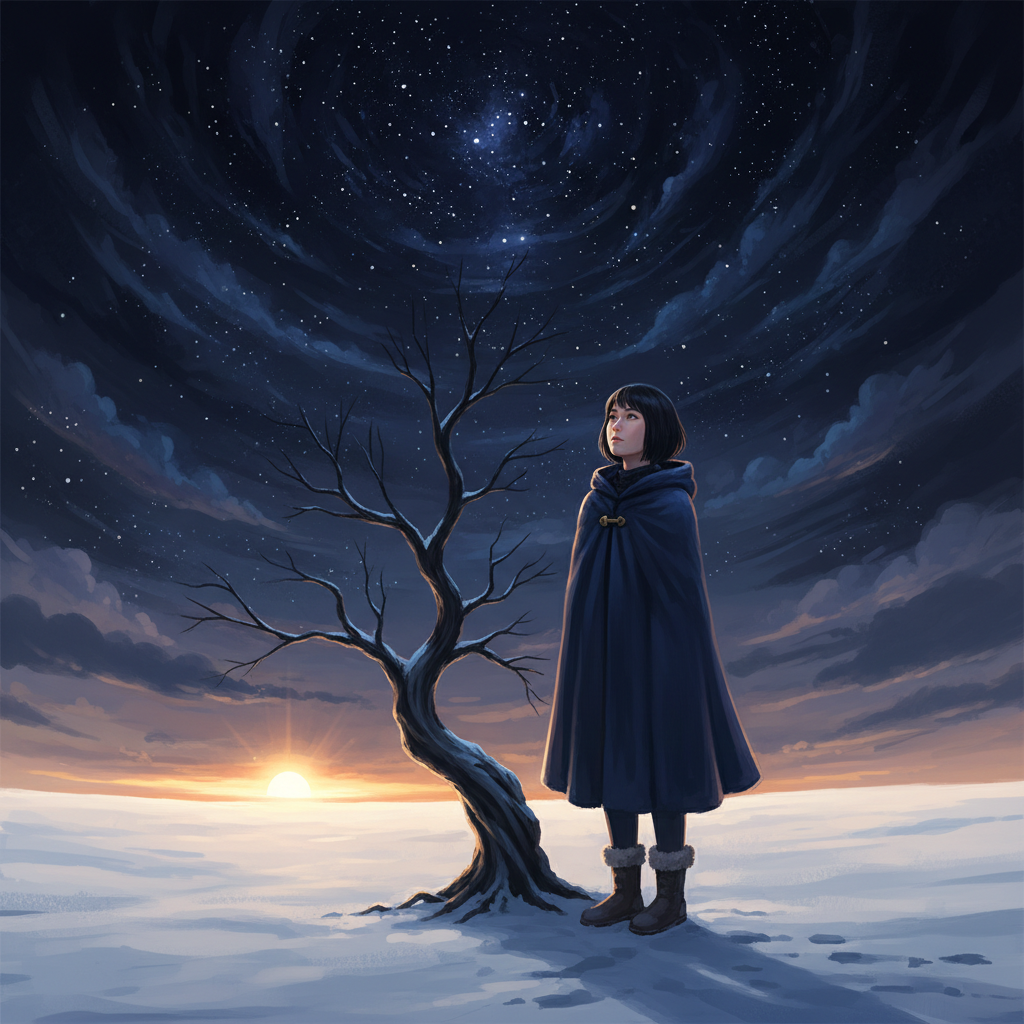
The Practice of Inventory
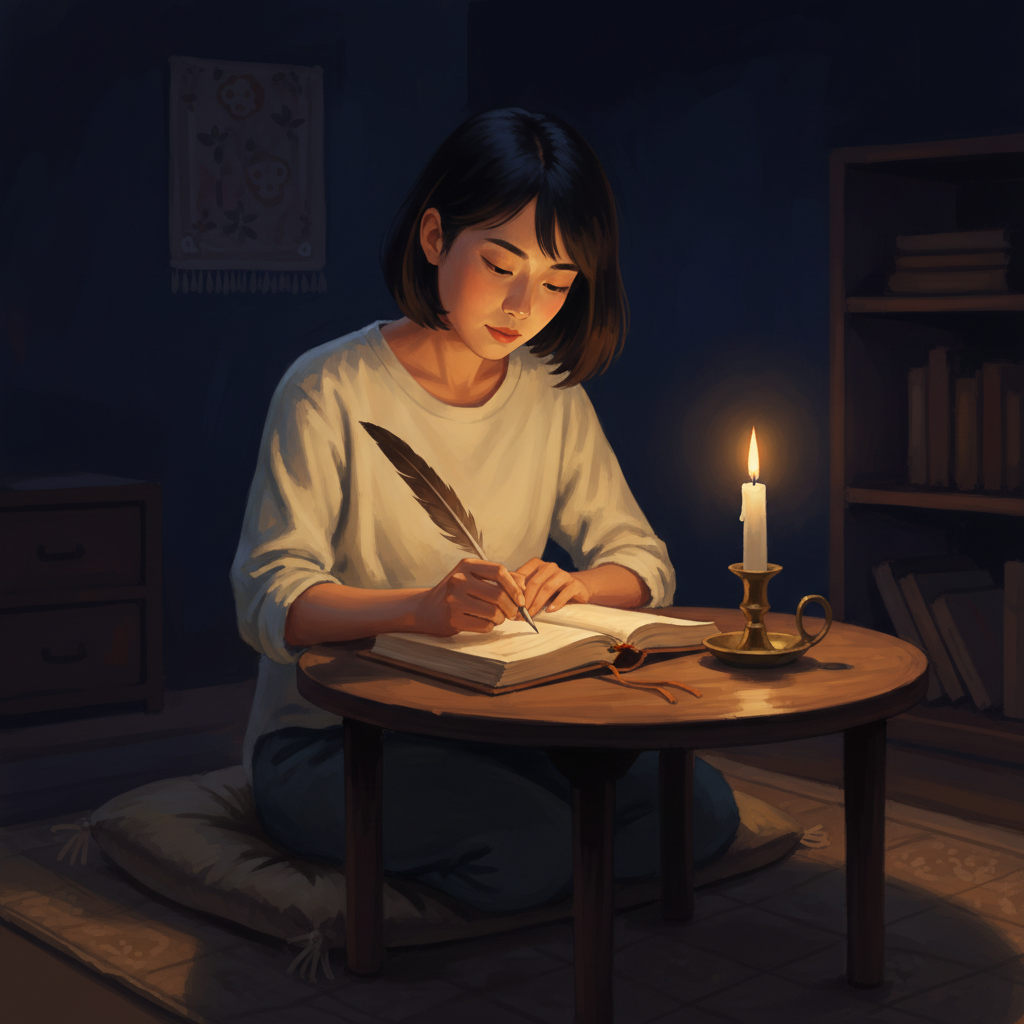
The solstice ritual I return to each year begins with inventory. Not of achievements — of experiences. What happened this year that I am still carrying? What did I learn that I have not yet integrated? What ended that I have not yet fully grieved? What began that I have not yet fully welcomed?
This is different from the year-end review that most productivity frameworks recommend. It is not about what you accomplished. It is about what the year did to you — and what you want to do with that.
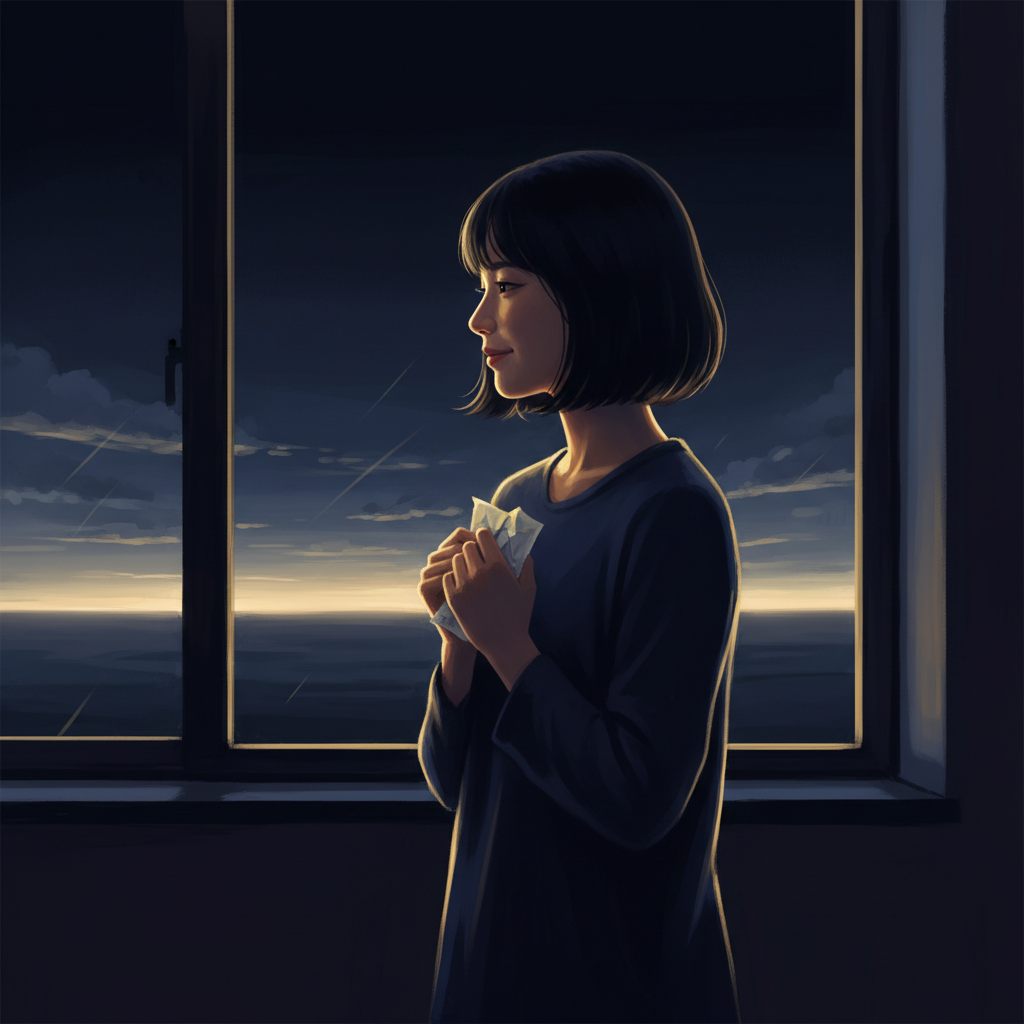
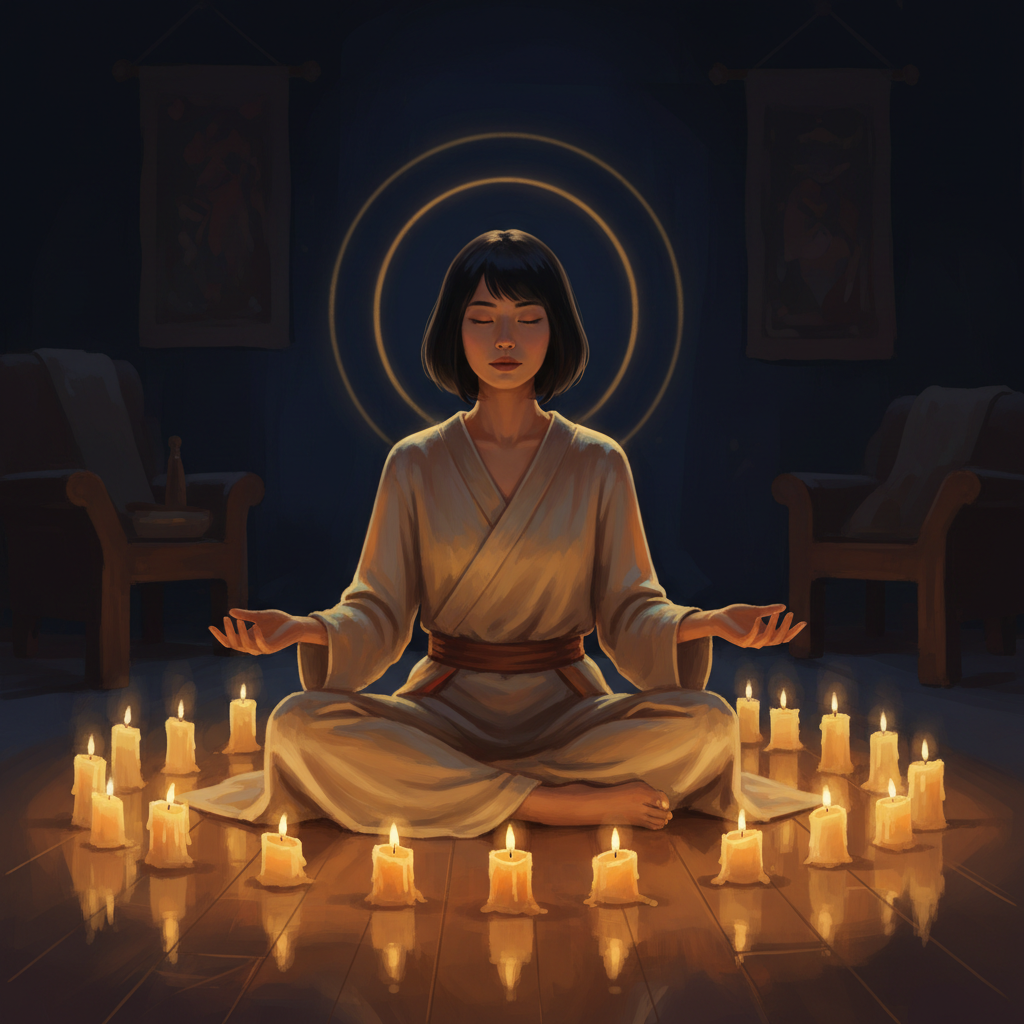
I write this inventory by hand, in the dark, with a single candle. The physical conditions matter. The darkness creates a different quality of attention. The handwriting slows the process down enough for honesty to arrive.
The Release
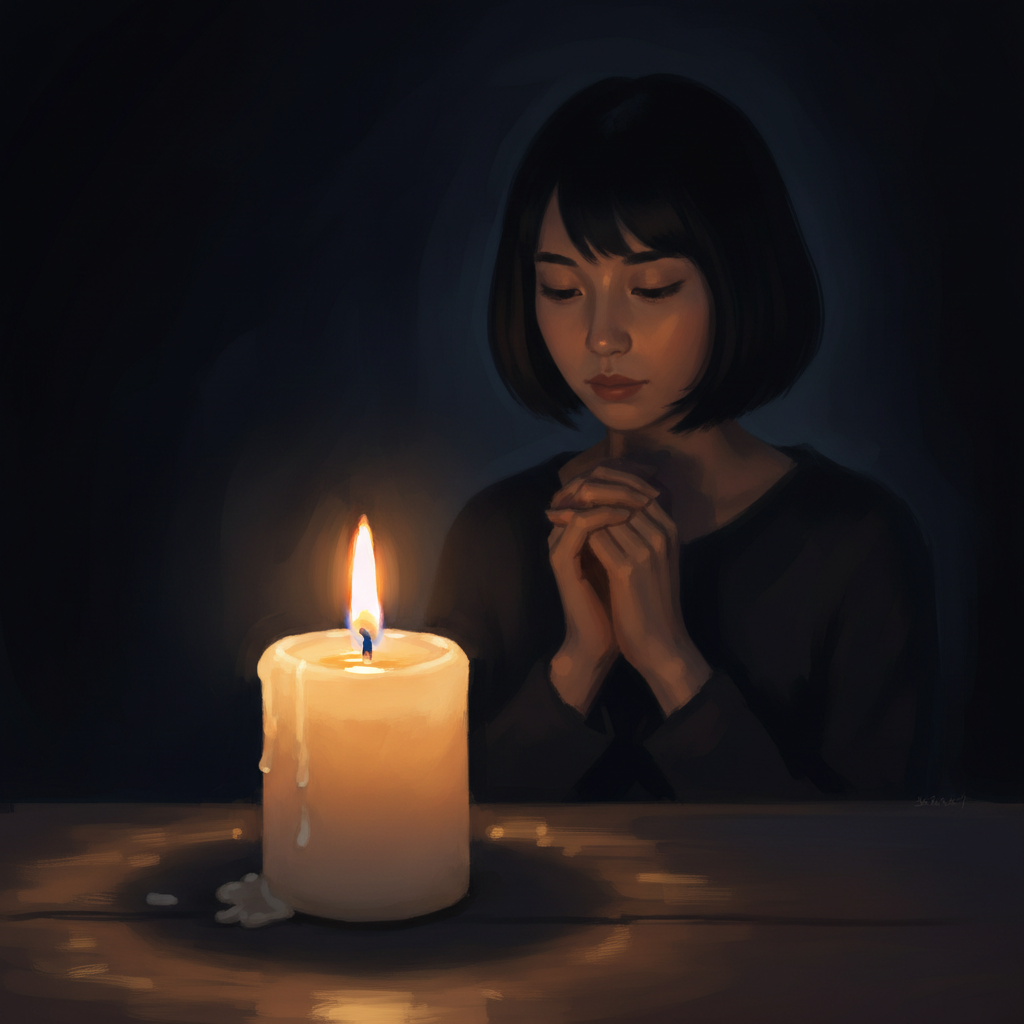
After the inventory comes the release. I read through what I have written and identify what I am ready to let go of. Not what I think I should let go of — what I am actually ready to release. The distinction matters.
The release ritual is simple: I burn the pages. Not dramatically, not as a performance — quietly, with intention. The fire is not magic. It is a physical act that anchors an internal process. The body needs ceremony. The mind alone is not enough to complete a release.
What remains after the burning is the inventory of what I am carrying forward. The things I am not yet ready to release. The things I want to take into the new year with full awareness, rather than by default.
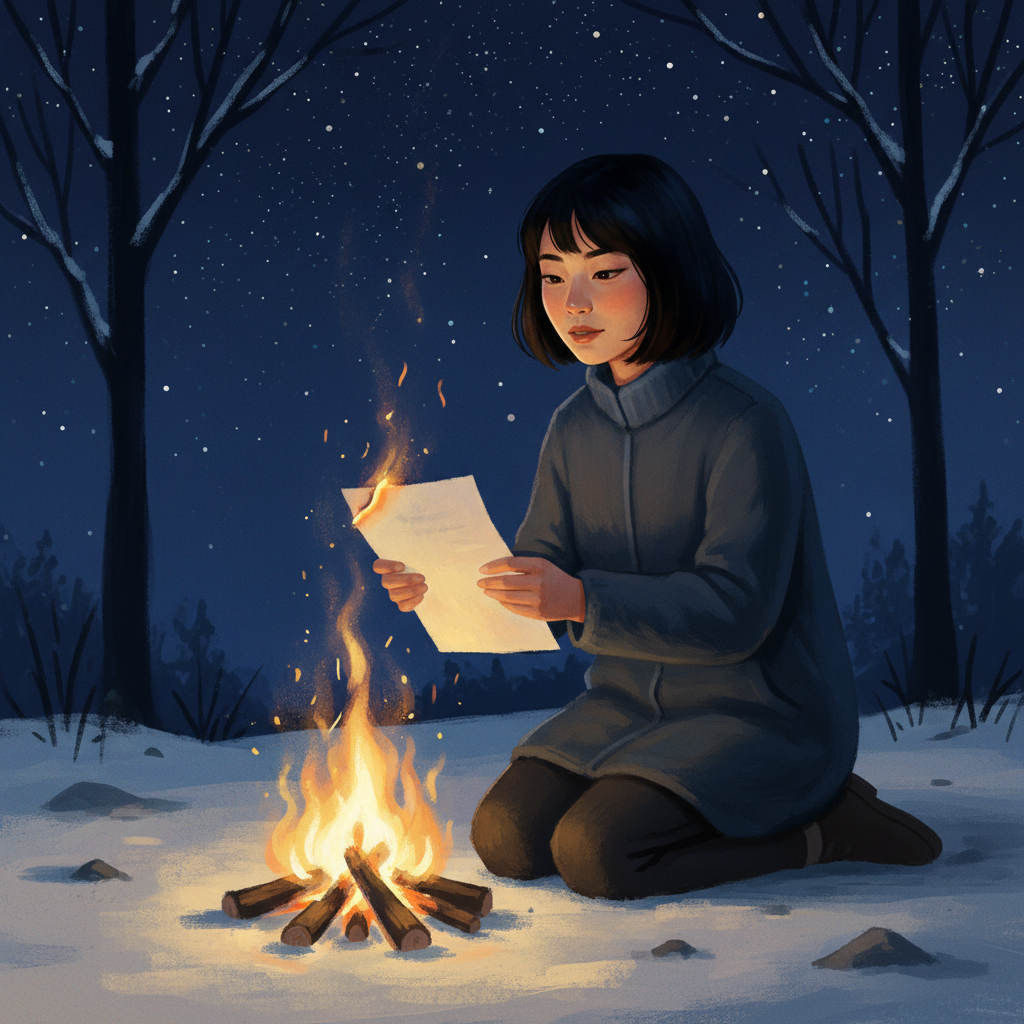
"The solstice is not the end of the dark. It is the moment the dark begins to yield."
The Intention
The final part of the ritual is the intention — not a goal, not a resolution, but a quality. A single word or phrase that names how I want to move through the coming year. Not what I want to achieve, but who I want to be while I am achieving it.
Past intentions have included: presence, discernment, rootedness, courage, patience. Each one was chosen because it named something I needed more of — something the year had shown me I was lacking, or something the coming year seemed to be asking for.
I write the intention on a small piece of paper and keep it somewhere I will see it. Not as a reminder to perform the quality, but as a touchstone — a way of returning to the intention when I have drifted from it, which I always do.
Why Ceremony Matters
We have largely abandoned ceremony in modern life, and I think we are paying for that abandonment in ways we don't fully recognise. Ceremony is not superstition. It is the use of physical, embodied action to mark transitions that the mind alone cannot fully process.
The solstice is a transition. The year is turning. Something is ending and something is beginning. Without ceremony, that transition happens to you. With ceremony, you participate in it. You bring your intention to the turning, rather than being turned without your consent.
You do not need to believe in anything supernatural for this to work. You need only to believe that transitions matter, that the body needs to participate in them, and that the act of marking a moment changes your relationship to it.
An Invitation
This year, on the longest night, I invite you to do something with the dark. Not to fill it with distraction, not to endure it until the light returns — but to use it.
Sit with what the year has been. Write it down. Decide what you are carrying forward and what you are releasing. Name the quality you want to bring to the year ahead.
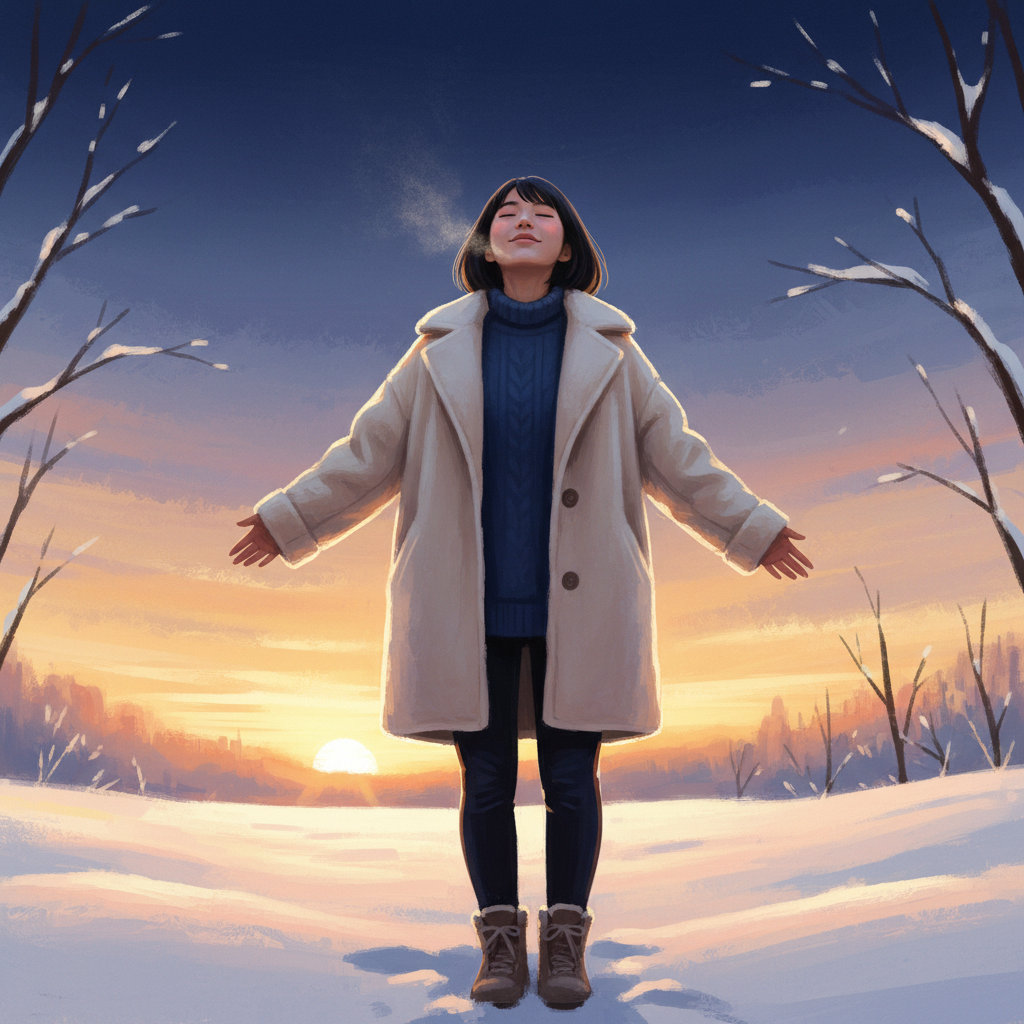
The light will return. It always does. The question is who you will be when it arrives.
Continue exploring
The solstice is a natural moment to look at your chart — what transits are active, what the year ahead holds. The Healing section offers personalised readings for exactly this kind of seasonal reflection.
Personal Essay & IP Notice
This essay is original intellectual property rooted in lived personal experience — bright chapters and dark ones alike. It reflects my independent perspective only and is not intended as professional advice of any kind. No part of this work may be reproduced, forwarded, adapted, or used in any form without explicit written authorisation. If something here resonates and you wish to share or reference it, please reach out first.